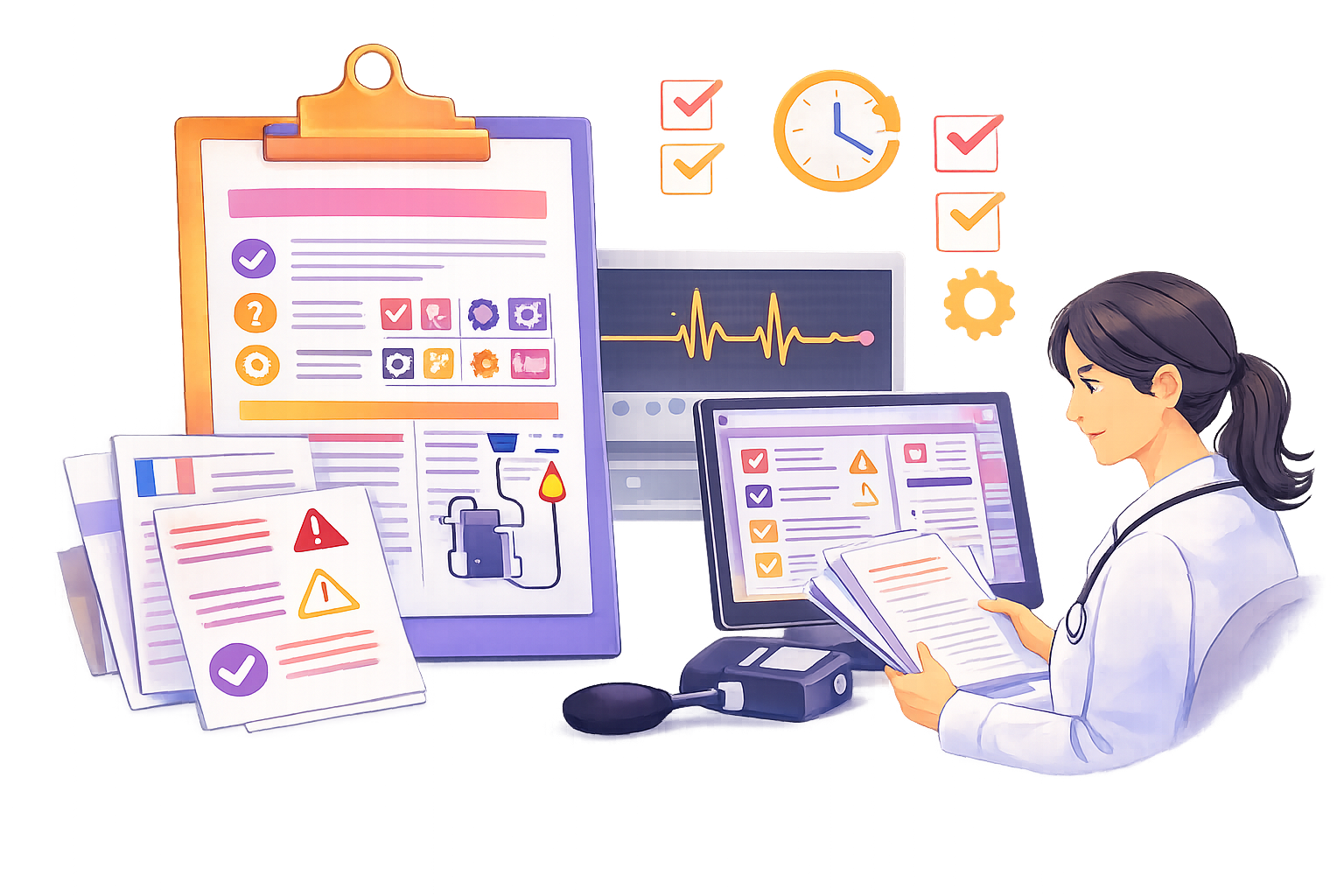
When it comes to writing for localization of technical content for a global entity, consider the following. Your organization has invested heavily in a brand spanking new CCMS. You have been trained in DITA structured writing, minimalism, you’ve completed your taxonomy classes, and you are all rearing to go.
BUT, what have you forgotten? One of the reasons organizations invest in a CCMS and move to structured authoring is the cost savings that have been promised in terms of content translation.
Can you just rely on the translation management system (TMS), to handle all the cost savings? The short answer is no.
Even with the best of writers, and the most skilled team in the world, if you do not also consider making changes to improve the source content before translation/localization, then the cost savings will be harder to come by, or will require a lot of effort to achieve.
The number of fuzzy matches in the TM, translation Memory, will gradually increase to the point that you will have to increase linguistic reviews in direct ratio with the increase in content volume.
What are the things to keep in mind when preparing your documentation department to write with localization in mind?
Difference between translation and localization
First of all, I state the following. Translating means transferring the meaning of a source text into another language. Localization means adapting the translated content not only linguistically but also culturally.
Keep content simple and concise
Write content that is clear, concise, and to the point. Avoid using idioms, metaphors, or cultural references that may not make sense in other languages or cultures.
Use plain language
Use simple, everyday language that is easy to understand. Avoid using technical jargon or complex terminology that may not have a direct translation in other languages.
Avoid ambiguity
Homonyms, synonyms, metaphors and so on. All very clever when used in literary texts, however these quickly become a nightmare when it comes to technical content.
Simplified Technical English or some other form of controlled vocabulary language will help keep your content unambiguous, meaning it will be easier to translate, and even easier to localize.
Use visuals
Use visuals such as diagrams, screenshots, and illustrations to help explain technical concepts. Visuals are often easier to translate than text and can help convey complex information quickly.
But in using visuals, you also want to avoid text heavy visuals. Text expansion, for example can make it difficult to fit the translated text in the space of the original.
Keep differences in culture in mind
When creating content, consider the target audience and their language and cultural preferences. Think about how your content will be received in other countries and cultures. When looking for an example to illustrate a point, or choosing a term for a product feature or name, test that these will translate well and will be acceptable in your target locales.
Some famous examples include the car model e-tron. I’ll leave it to you to translate that to French, hint, do it without the hyphen. I’ve found other more disastrous/hilarious examples that have forced last minute updates after the product release. Search for Translation Fails in Advertising for a laugh.

Reuse content where you can
When reusing, profiling or performing any of these wonderful new new-fangled mechanisms for optimizing your content, keep in mind that the way you divide or cut up a sentence or paragraph might render it difficult to translate as one segment. Translocation of subject and object of a sentence, the way to signify a possessive, all these little things that we don’t generally think about when writing, or speaking for that matter, can really make it difficult for a TM to handle. Verbs generally are placed at the end of a sentence in German, to form the possessive in French, you prefix the verb with “se” as opposed to using an apostrophe + s in English.
However watch out for the granularity paradox. There is a trade-off you must make. The larger the size of reusable components, the more difficult it is adapting the chunk for a new usage. The smaller the granularity, the more time is spent gluing the small parts together for usage.
Be consistent
Style Guides are your best friend when it comes to this. However I am still in ironic awe of organizations that impose a style guide, but do not employ a content editor or put in place a peer review process to ensure adherence to the rules.
Create and maintain glossaries or term bases. Shared with the translation department, these must list not just the terms that are permissible, but also those that must not be used.
And finally, Proofread content before translation
Nothing messes up translation memories more than minute corrections after they have been updated with the spelling errors in the source language. The translator has seen or just not noticed the error, and has made a correct translation. However the next time the text is sent out, this time with the typo corrected, the TM will mark this new version as a fuzzy match. More work for everyone and a delay in the project.
Related Componize Blog Posts
- DITA XML Structured Content and its benefits for your business
- Common problems in technical writing and how to resolve them
- 6 Reasons to Stop PDF Reviews of Structured Content
- Collaborative real-time reviews and editing for Technical Documentation
- Regulated industries: stop the review process nightmares
Related links
- The Positive Impact of Robust Review and Approval Workflows (DITA CCMS)
- Interviews and case studies on the Componize YouTube Channel