Introduction
In this recording of “Insights from Experts” at the Componize 2022 Summit, Brian Trombley looks at a hypothetical global organization involved in the manufacture and distribution of pharmaceuticals, biologics, medical devices, pesticides, fertilizers and other chemical compounds. In his talk “The Positive Impact of Robust Review and Approval Workflows Across a Highly Regulated Global Enterprise“, Brian will discuss how having the right review and approval workflow tool is essential for each product families’ offerings to get to market safely and in a timely fashion, and how each product families’ individual regulatory review and approval workflows can become a unified experience at the enterprise level.
Brian also explores:
- How his client built an end-to-end solution that enabled them to build out multiple concurrent reviews across their organization using one common workflow platform
- The challenges they faced along their journey towards achieving this goal
How to manage the document review and approval workflows
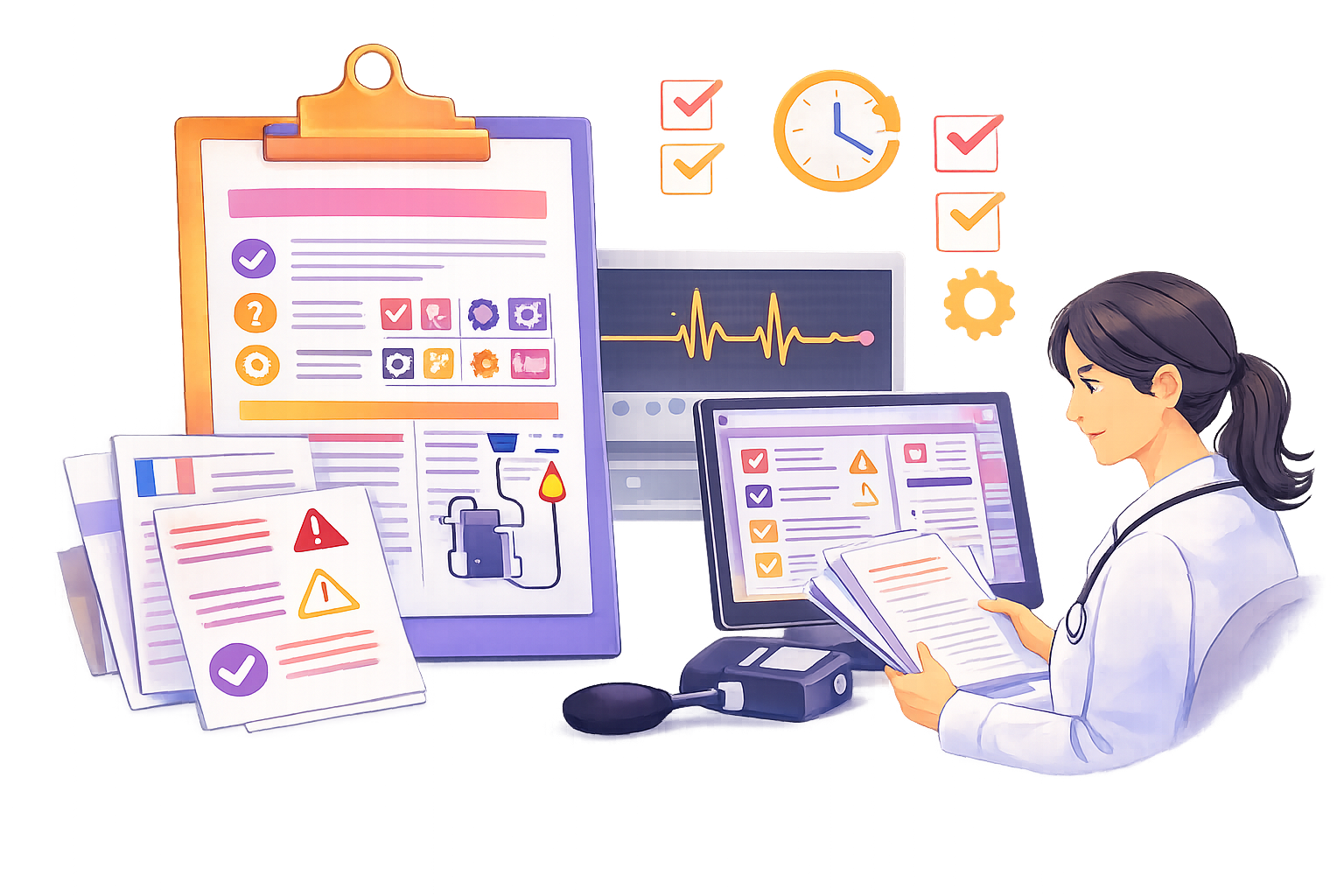
Pharmaceutical companies have never faced such a challenging and uncertain future. The costs of research and development are going up, new technologies are changing the way clinical trials are conducted, and regulators are increasingly scrutinizing all aspects of product approval. In this session we will look at a hypothetical global organization involved in the manufacture and distribution of pharmaceuticals, biologics, medical devices, pesticides, fertilizers and other chemical compounds. We will discuss how having the right review and approval workflow tool is essential for each product families’ offerings to get to market safely and in a timely fashion, and how each product families’ individual regulatory review and approval workflows can become a unified experience at the enterprise level
The market for pharmaceuticals has never been more challenging. From the cost of research and development to a rising regulatory requirements, drug manufacturers feel the pressure not only to create, but also to maintain stringent records throughout the clinical approval process. This can be especially challenging when global operations are involved. In today’s market, it’s becoming increasingly clear that companies need to adopt an enterprise-wide approach that encompasses all areas of their business in order to remain competitive.
By taking advantage of a robust review and approval workflow across a highly regulated global enterprise, you can
- Streamline your workflow processes
- Reduce costs associated with creating, maintaining, translating and distributing your content
- Increase the speed and efficiency of your global approvals process
- Improve compliance with local regulations
The key to having a successful review and approval process is to ensure that it’s integrated, with the right controls and automation. It should also be easy to use so that reviewers can quickly find the information they need without having to go through lengthy searches or enter complicated data.
The content repository must have full auditability so that it can be traced back throughout its lifecycle, as well as provide accurate reporting for management purposes.
When pharmaceutical companies look to achieve a global presence, they face additional requirements and pressures. In addition to maintaining compliance with all local regulatory authorities, they must also meet standards set by governing international bodies such as the European Medicines Evaluation Agency (EMEA). This can be extremely difficult when dealing with multiple disparate systems and data sources.
5 Tips for improving technical documentation review and approvals
1: Reduce the number of document review cycles
The first tip is to reduce the number of review cycles. Reviewing and approving content can be a time-consuming process. It’s also an opportunity for errors to creep in due to human error or because someone overlooked something important during the review cycle. If your organization has multiple reviewers who need to sign off on content, then there are additional opportunities for mistakes, delays and frustration.
2: Shorten the length of the document review and approval cycle
The second tip is to reduce the length of your review cycles. A longer review cycle means more time for errors and missed opportunities to catch content mistakes before they go live. If you have multiple people involved in reviewing content, then the process can take even longer. It’s important to make sure that each reviewer understands what needs to be done before initiating a review process so that there are no surprises or misunderstandings along the way.
3: Make the document review and approval workflow process as painless as possible
The third tip is to make reviews painless and friction-free. Make sure that a reviewer doesn’t have to go through a lot of steps or hoops in order to review content. If there are multiple people involved, then it’s important to streamline the process so that it’s quick and easy for all parties involved.
This also means providing reviewers with the right tools to do their jobs quickly and easily. If it takes too long to review content, then people will likely give up on the process (and leave you with more mistakes).
4: Establish benchmarks and improve document review and approval
The fourth tip is that in order to improve your review process, you need to establish and then work towards improving benchmarks. The reason why this is important is because it will help you identify where the bottlenecks are in the process. If there’s a mismatch between what reviewers expect and what they actually get, then that’s an area where improvement needs to be made (so that expectations are met).
5: Mitigate technical risks
The fifth and final tip. Reduce the risk of making mistakes by using automated tools. If you’re a company that relies on manual review processes, then it’s important to invest in and implement automation as soon as possible (to reduce the likelihood of human error). This can be done in many ways, including:
- Using a tool to manage and track the status of review and approval workflows
- Automating the process of sending out notifications of review requests and reminders. This will help ensure that reviewers don’t forget about their assignment.
- Using a tool that requires a very shallow-to-no learning curve, and introducing a “rewards” system.
(For example, “Likes” in a Twitter post or on Facebook are a form of reward)
Apply risk mitigation strategies
The benefits of automation are clear. But, there are also some risks associated with implementing a new system. You need to be aware of them, and how to manage them effectively.
Establishing an effective “change management” plan is key to successfully introducing a new tool into your organization’s review process.
Avoidance is one of the most effective mitigation strategies because it eliminates or minimizes an entire category of risks. Because avoidance is not always possible, it’s important to have a plan in place in case of an emergency. This involves training staff members on how to respond and what actions to take in the event of an emergency.
Contingency planning (a backup plan in case something goes wrong) is a good way to mitigate risk. You’ll want to make sure you have a backup plan in case something goes wrong with your new system.
You can also minimize the impact of risks by taking preventative measures, such as implementing an error-proofing process or creating safety features within the new system itself.
Reduce and breakdown of the risk into manageable components and as such minimize the exposure to risk by identifying and eliminating the activity that causes it.
If all else fails, transfer the risk to someone else, who may be better able to manage it.
Mistakes to avoid in technical documentation review and approvals
- Avoid non-documentation of review cycle process
It is important to document the steps of the review process. This will allow you to easily identify gaps in your process and make changes if necessary.
Avoiding documentation may also lead to an increase in human error, which can impact quality assurance. - Avoid non-costed review cycles
It is important to know the cost of your review cycle. This will help you understand if you should be trying to reduce costs or increase revenue.
If the cost of your review process is high and there are no associated benefits, then it may be time for change. - Avoid convoluted/disjointed reviews
It is important to understand the purpose of your review cycle. If you have a convoluted process that doesn’t flow well, then it is time for change.
Avoid mixed review cycles It is important to know when each type of review should be used. For example, if you have a product that requires both design and quality assurance reviews, then it may be time for change. - Avoid not specifying the importance of reviews to your tool vendors
If you do not hold your vendors accountable for the quality of their product, then it may be time for change. Avoid not knowing what to expect from your vendor reviews It is important to know what type of review cycle is required for each product that you develop.
If you are not sure about what to expect from your supplier’s review process, then it may be time for change. - Avoid review processes with ”holes” that lack clear information on Who/What/When/Why. Non-standardized business requirements can result in confusion and delays.
- Avoid presenting non-specialists with a UX/UI design has a high learning curve. SMEs can easily perform their tasks without requiring much training or support.
Conclusion
Applying new workflows to review and approval processes is challenging, but it can also be very rewarding. The benefits of a streamlined process will help you to better serve your customers, improve quality and reduce costs.
When you have the right tools and processes in place, it becomes easier to adapt quickly as market conditions change.
If you want to implement a new workflow, make sure that it supports your company’s goals and values. It is also important to define roles and responsibilities for each stage of the process so that everyone knows what they need to do.
A streamlined process will help to reduce the time it takes for you to get your product into the hands of customers. You’ll also be able to identify and fix issues earlier in the development cycle, which ultimately means that your products will be more successful when they are launched.
It is also a way to create more transparency and accountability in your organization by making sure that everyone has access to the same information and is able to use it effectively.
About the presenter
Brian Trombley
Brian Trombley has more than 35 years’ experience helping clients implement content-oriented processes and technologies for all aspects of publishing across a wide range of industry verticals. An early practitioner of structured content methodologies, Mr. Trombley was at the forefront of the SGML and XML revolutions and has helped clients successfully manage change and leverage content for maximum business value.
Watch the whole event, and other recordings on our YouTube channel.