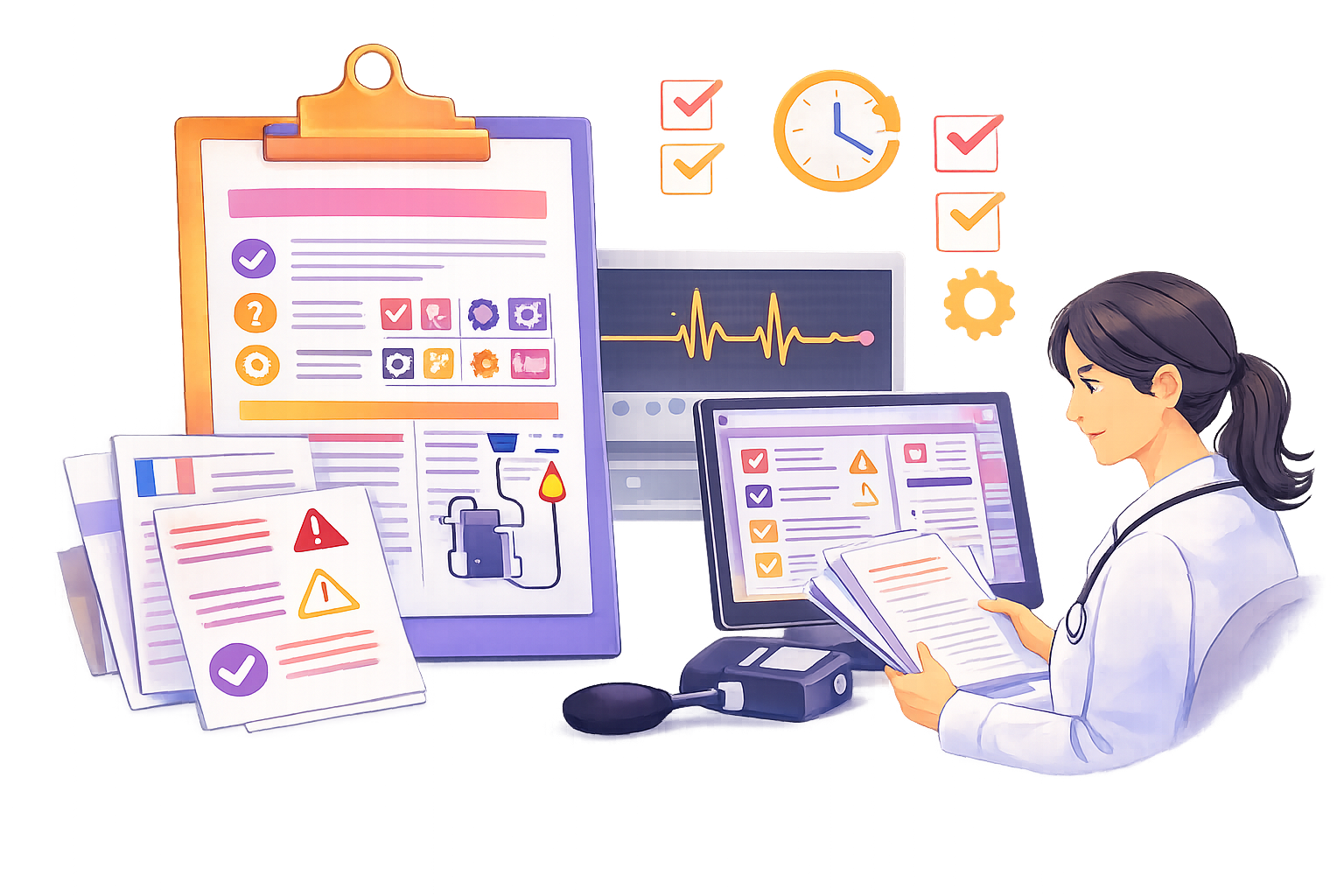
What is the future for structured content reviews, particularly in DITA XML. What features should technical communicators, documentation managers and other stakeholders be asking for from their tools vendors to make the review process more efficient and engaging.
In the beginning, we wrote in Word, and it was good.
All the content was in one document and the reviewer could go from page to page, making comments, making changes, and that was not so good.
Then came Help Authoring Tools or HATs
HATs allowed documentation to be published to dedicated compiled help formats such as WinHelp (.HLP) or Microsoft Compiled HTML Help (.CHM). The documentation could also be delivered as PDF, ePubs or HTML.
Using increasingly specialized tools such as FrameMaker or RoboHelp, authors were able to create increasingly complex help systems. Tools for technical writing allowed the creation of better, searchable online and offline help.
However reviewing said OLH still required a lot of effort on the part of the reviewer. The reviewer, if they were lucky and the organization had Acrobat Pro, could comment and annotate a PDF output and send it back to the writer for implementation. And that was better, but still not so good.
Followed by the age of Structured Content
mainly based on XML single-sourcing, with a plethora of tools and systems to help manage the explosion of individual units of content, the toolbox for the reviewer remains limited.
Reviewers continue to receive PDF versions, even of HTML documentation, to perform reviews as opposed to being able to review the source content in its repository.
The tools and processes available to create and manage technical documentation continue to evolve. XML editors, CCMS, Headless CMS, HATS, taxonomy and terminology management tools, the list goes on.
However, there is a glaring gap in the marketplace for a tool that allows an SME, not trained in the fine art of structured content, to efficiently and easily review source structured content. Or rather I should say, the tools available are not able to follow or take into account the many complexities related to content reuse mechanisms.
Structured content reviews in DITA XML must continue to evolve and become more efficient and effective in the future.
CCMS vendors have a duty to provide tools that will cover the entire documentation lifecycle. I have used systems where there is a promise of a reviewer included, however, when it comes to using it, the vendor then admits the caveats to using said reviewer. The document cannot contain any of the reuse mechanisms that make single sourcing such an effective way of producing documentation.
What is the future of structured content reviews?
What should we, as technical writers, be shouting from the rooftops for from our tools vendors?
Increased use of automation and workflows
Automated tools and workflows should be improved to streamline the review process and reduce the risk of errors or omissions. There are a couple of terminology checkers available today, able to flag spelling errors, and the use of prohibited terms. If the organization has implemented some sort of controlled language, said tools are able to prevent the check in of content that breaks the rules set in the tool.
Review tools should be able to communicate with planning tools, for example Rallye, or JIRA. The advantage here is that reviews are considered during the project planning phase and the tasks can be assigned. Doing this can also improve on project reporting for the documentation manager.
Improved collaboration and communication
Collaboration and communication tools and platforms should be improved to facilitate better coordination among reviewers and writers. This should include features such as real-time collaboration, discussion forums, and project management tools. ****
Enhanced content analytics
Advanced analytics and reporting tools to provide more detailed insights into the content and the review process need to be provided. This could include data on content reuse, performance, and user engagement, as well as trends and patterns in the data. Documentation teams need to be able to identify areas of documentation that consistently do not deliver on their promise of providing the right information to the right person at the right time.
Reports should not only be able to identify the version of the content that produced the output, but must also be able to identify and version the variable parameters used to publish the document. The version of the publication pipeline, (e.g. DITA-OT) that was used, the variables, collections files, basically everything an organization might require to reproduce exactly the same document in case of a content audit.
Increased focus on user experience
Structured content review tools above all must place a greater emphasis on improving the user experience and the usability of the tool both for the technical writer and the reviewer. This must include feedback mechanisms, ability to tag reviewers, easily send sections for comment etc. The tool must be so easy to use, reviewers who only review content occasionally do not need to learn to use the tool all over again. The tool should be able to drive engagement of SMEs.
If we take a look at the mechanisms used by Twitter and Instagram, the user gets a reward in the form of a dopamine hit each time they see a “Like” for content they have posted. SME ratings after document release, the fastest reviewer, the reviewer who saved the organization by spotting that hidden defect in the content, the most thorough reviewer, and so on can be included so that even if the SME does not consider reviewing a document as a core task, they feel a certain benefit from having completed the review.
Overall, structured content reviews of source content in DITA XML will continue to evolve and incorporate new technologies and approaches to improve the efficiency and effectiveness of the review process.
Related Componize Blog Posts
- Common problems in technical writing and how to resolve them
- 6 Reasons to Stop PDF Reviews of Structured Content
- Collaborative real-time reviews and editing for Technical Documentation
- Regulated industries: stop the review process nightmares